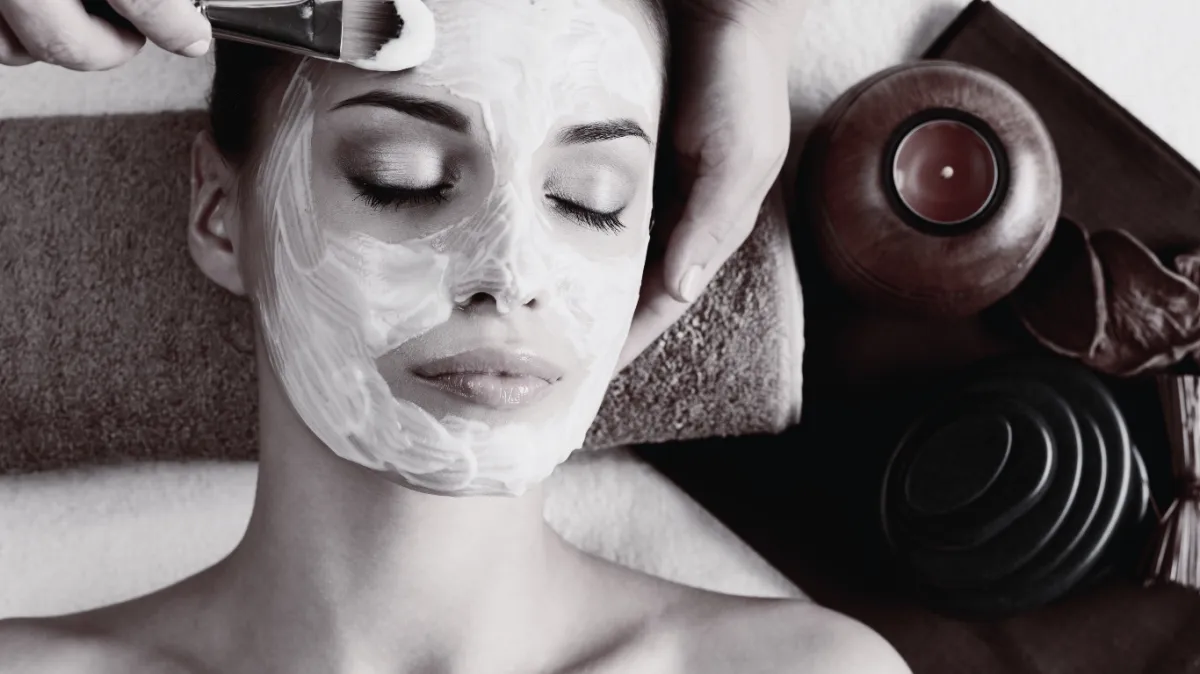
Chemical Peels: A Doctor-Led, Evidence-Based Approach to Skin Resurfacing
Chemical Peels: A Doctor-Led, Evidence-Based Approach to Skin Resurfacing
Date:January 27, 2026Author:Stef Ovadia
Chemical peels are often misunderstood as aggressive or purely cosmetic treatments. In medical aesthetics, they serve a very different purpose.
AtRadiant Secrets, chemical peels are used as evidence-based medical skin resurfacing tools—prescribed following a professional skin assessment and aligned to long-term skin health, not short-term cosmetic trends.
This article explains how chemical peels work, what they can treat, and why medical oversight matters.
What Is a Chemical Peel?
A chemical peel is a controlled application of an acid solution to the skin. The solution causes selective removal of damaged outer layers, triggering the skin’s natural repair process.
This results in:
Improved texture and tone
Reduction in pigmentation
Smoother, more resilient skin
Enhanced product absorption
The type of acid, concentration, and application time determine the peel’s depth and effect.
What Can Chemical Peels Treat?
Chemical peels are commonly used for:
Hyperpigmentation and melasma
Sun damage
Fine lines and early ageing
Acne and post-acne marks
Uneven skin texture
Dull or rough complexion
The specific peel prescribed depends on the diagnosis, not the patient’s preference.
Types of Chemical Peels Used in Medical Practice
Superficial Peels
Target the outermost layer of skin
Minimal downtime
Often used as part of a treatment plan
Medium-Depth Peels
Penetrate deeper epidermal structures
Used for pigmentation, acne scarring, and ageing concerns
Require strict skin preparation and aftercare
Medical-Grade Resurfacing Protocols
Prescribed selectively
Used where research supports clinical benefit
Always aligned to safety and skin resilience
At Radiant Secrets, only products with positive research findings are used.
What to Expect During a Chemical Peel Treatment
A chemical peel appointment includes more than the treatment itself. Patients can expect:
A professional medical skin analysis
Diagnosis versus cosmetic concern clarification
Individualised treatment planning
Controlled application and monitoring
Clear post-treatment guidance
Downtime and sensation vary depending on peel type and skin response.
Are Chemical Peels Safe?
Chemical peels are safe when prescribed and performed correctly. Risk increases when peels are applied without medical assessment, at incorrect concentrations, or without appropriate skin preparation.
A doctor-led approach ensures the treatment is matched to the patient’s skin condition, not to a cosmetic trend.
Chemical Peels at Radiant Secrets
At Radiant Secrets:
Chemical peels are prescribed, not routine
Only researched, medical-grade products are used
Treatments are aligned with long-term skin health
Safety and outcomes guide every decision
The focus is not intensity—but appropriate resurfacing.
Frequently Asked Questions About Chemical Peels
Do chemical peels hurt?Most patients experience a tingling or warm sensation during the peel. Superficial peels are generally comfortable, while medium-depth peels may cause a mild stinging feeling. Any discomfort is temporary and subsides quickly after the solution is neutralised.
How long is the recovery after a chemical peel?Superficial peels typically require no downtime—you may have mild redness for a day or two. Medium-depth peels may involve 3–7 days of peeling and sensitivity. Your doctor will provide detailed aftercare instructions tailored to your specific peel.
Can I get a chemical peel if I have sensitive skin?Yes, but the type and strength of peel must be carefully selected. This is exactly why a medical assessment is essential before any peel. AtRadiant Secrets, treatments are always matched to your skin’s current condition and tolerance.
How many chemical peel sessions do I need?This depends on your skin concerns and the type of peel used. A series of 3–6 superficial peels spaced 4 weeks apart is common for general skin improvement. Yourtreatment planwill be tailored to your goals.
Can I wear makeup after a chemical peel?It’s best to avoid makeup for 24–48 hours after a peel to allow the skin to recover. Your doctor will advise when it’s safe to resume your normal routine. SPF is essential from day one post-peel.
Your Skin Resurfacing Journey Starts Here
Chemical peels remain one of the most effective tools in medical skin resurfacing—when used correctly. Under medical guidance, they support healthier skin structure, improved tone, and long-term resilience.
Be The Glow You Forgot.
If you’re considering a chemical peel, the first step is a proper skin assessment.Meet our teamand book a consultation to determine whether this treatment is appropriate for your skin.
Stef Ovadia is the founder ofRadiant Secrets SA, a doctor-led skincare and aesthetic clinic in Illovo, Gauteng, dedicated to helping you achieve healthy, radiant skin with care, expertise, and kindness.