Cystic Acne: What It Is, What Causes It, and How a Doctor Can Help You Get It Under Control
Cystic Acne: What It Is, What Causes It, and How a Doctor Can Help You Get It Under Control
Date:February 23, 2026Author:Dr Steffani Ovadia
If you've ever had a deep, painful lump under your skin that no amount of cleansing or spot treatment could fix, you've likely experienced cystic acne. It's one of the most severe forms of acne—and one of the most emotionally draining. AtRadiant Secrets, we've helped many patients move from frustration and pain to clear, confident skin. This guide explains everything you need to know about cystic acne and the treatments that actually work.
What Is Cystic Acne?
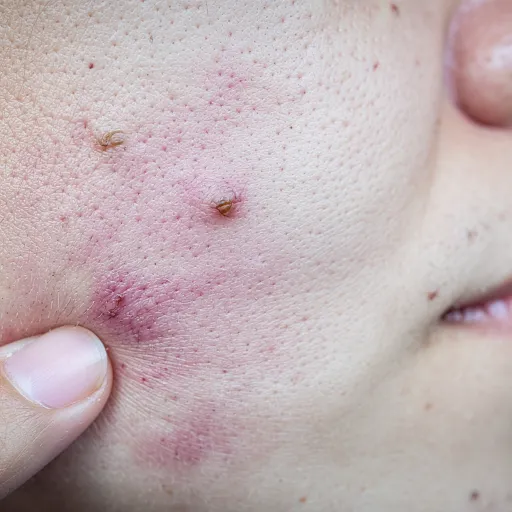
Cystic acne is a severe form of acne where large, inflamed, pus-filled cysts form deep beneath the skin's surface. Unlike regular pimples that develop near the top of the skin, cystic breakouts occur in the deeper dermal layers, making them:
Extremelypainful and tenderto the touch
Large and swollen, often several centimetres wide
Difficult to treat withover-the-counter products
Highly prone to leavingpermanent scars
Resistant tosqueezing or popping(which only makes them worse)
Cystic acne most commonly affects the face—particularly the jawline, cheeks, and chin—but can also appear on the back, chest, neck, and shoulders.
What Causes Cystic Acne?
Cystic acne results from a combination of factors working together to create deep, severe inflammation:
1. Hormonal Imbalances
Hormones are the primary driver of cystic acne. Excess androgens overstimulate the sebaceous glands, producing too much oil. This is why cystic acne is common during:
Puberty
Menstrual cycles (premenstrual flare-ups)
Pregnancy
PCOS (polycystic ovary syndrome)
Perimenopause
2. Genetics
If your parents had severe acne, you're significantly more likely to develop cystic acne. Genetics influence your skin's oil production levels, inflammatory response, and how your pores are structured.
3. Bacterial Infection
When excess oil and dead skin cells trapCutibacterium acnesbacteria deep within the pore, the resulting infection triggers an intense inflammatory response. The body walls off the infection, forming a cyst.
4. Chronic Inflammation
People prone to cystic acne often have a heightened inflammatory response. This means their immune system reacts more aggressively to clogged pores, creating larger, more painful lesions.
5. Stress and Lifestyle
Chronic stress elevates cortisol, which increases oil production and inflammation. Combined with poor sleep, a high-sugar diet, or using harsh, stripping skincare products, stress can turn moderate acne into severe cystic breakouts.
Why You Shouldn't Try to Treat Cystic Acne at Home
We understand the temptation to squeeze, extract, or aggressively treat cystic acne yourself. But here's why that approach backfires:
Squeezing pushes infection deeper, spreading it to surrounding tissue and causing more cysts
Harsh productsstrip the skin barrier, increasing inflammation and making breakouts worse—use onlydoctor-approved products
Home remedieslike toothpaste, lemon juice, or baking soda can burn the skin and cause permanent discolouration
OTC spot treatmentsdon't penetrate deep enough to reach cystic lesions
Delayed professional treatmentincreases the risk of permanent, disfiguring scars
How We Treat Cystic Acne at Radiant Secrets
Cystic acne requires a medical approach. AtRadiant Secrets, we create a comprehensive treatment plan that addresses every layer of the problem.
1. Prescription Topical Treatments
Targeted topicals are the foundation of cystic acne management, working to prevent new cysts and treat the skin surface:
Retinoids:Prevent pore blockages and stimulate collagen for scar prevention
Mandelic acid:A gentle alpha-hydroxy acid that unclogs pores, fights bacteria, and reduces inflammation—ideal for sensitive and darker skin tones
Azelaic acid:Reduces inflammation and helps fade post-cystic dark marks
OurA.C.T.I.V.E. formulaandMD AC active recoveryare specifically formulated for acne-prone skin dealing with severe breakouts.
Perfect for:First-line treatment and long-term maintenance
2. Professional Facials and Skin Repair
Restorativein-clinic treatmentshelp heal the skin and address damage from cystic breakouts:
Gentle extraction facialsto clear residual congestion
LED light therapyto reduce inflammation and support healing
Chemical peelsto improve texture and fade dark marks
Microneedlingto stimulate collagen and address scarring
Perfect for:Active acne management, scar reduction, and skin restoration
3. Personalised Skincare Routine
A doctor-prescribed home routine usingmedical-grade productslike theA.C. resurfacing KITis essential for managing cystic acne:
Morning:E.X.F.O. cleanse, niacinamide or azelaic acid serum, lightweight moisturiser,SPF 50+Evening:Double cleanse, prescribed retinoid or active, barrier-repair moisturiser
Perfect for:Daily management, scar prevention, and supporting clinical treatment results
4. Prescription Oral Medications — A Last Resort
AtRadiant Secrets, we believe in a longevity-first approach to skin health. That means we always prioritise treatments that workwithyour body rather than placing unnecessary strain on it. Oral medications are effective, but we reserve them for cases where our gentler, clinic-based treatments haven't achieved the desired results.
When needed, options include:
Short-course antibiotics (doxycycline, minocycline):Used briefly to reduce severe bacterial overgrowth and inflammation, then discontinued in favour of topical and in-clinic maintenance.
Hormonal therapy (spironolactone):For women with hormonally-driven cystic acne, this anti-androgen medication can dramatically reduce breakouts—but only after thorough assessment.
Isotretinoin:Reserved for the most severe, treatment-resistant cases. While highly effective, it requires careful medical monitoring due to potential side effects.
Perfect for:Severe or treatment-resistant cystic acne only after gentler approaches have been explored
Our philosophy:Long-term skin health and overall wellbeing always come first
Preventing Cystic Acne Flare-Ups
Once your cystic acne is under control, these habits help keep it that way:
Follow your prescribed routinewithout skipping—consistency is everything
Don't touch or pickat your skin, especially emerging cysts
Manage stressproactively through exercise, rest, and self-care
Avoid comedogenic products(products that clog pores)—check that your makeup, sunscreen, and moisturiser are labelled "non-comedogenic," meaning they won't block your pores or trigger new breakouts
Keep follow-up appointmentswith your doctor to adjust treatment as needed
Protect your skin from the sunwithSPF 50+—UV exposure worsens post-inflammatory marks
Frequently Asked Questions About Cystic Acne
What does cystic acne look like?Cystic acne appears as large, deep, inflamed lumps beneath the skin's surface. They're typically red or skin-coloured, painful to the touch, and don't have a visible "head" like regular pimples. They can be several centimetres wide and often appear on the jawline, cheeks, and chin.
Can cystic acne go away on its own?Individual cysts may eventually resolve on their own over weeks, but the underlying condition won't go away without treatment. Without professional intervention, cystic acne tends to recur and has a very high risk of leaving permanent scars.
Why shouldn't I pop cystic acne?Cystic acne sits deep beneath the skin surface, so squeezing only pushes the infection deeper and spreads it to surrounding tissue. This causes more cysts, increases inflammation, and dramatically raises the risk of permanent scarring. Always seekprofessional treatmentinstead.
How long does cystic acne take to clear?With proper treatment, most patients see significant improvement within 3–6 months. Topical treatments andmedical-grade skincarebegin working within weeks, while the full results of a comprehensive treatment plan develop over several months.
Is cystic acne caused by diet?Diet alone doesn't cause cystic acne, but high-glycaemic foods and dairy can worsen inflammation and trigger flare-ups. The primary drivers are hormonal imbalances, genetics, and bacterial overgrowth. A holistic approach addressing diet, stress, skincare, and medical treatment gives the best results.
You Don't Have to Live with Cystic Acne
At Radiant Secrets, we know that cystic acne is more than just a skin condition—it's something that can affect your confidence, your social life, and how you feel about facing the world. We treat people with care, expertise, and kindness. Every treatment plan is customised, private, and designed to give you real, lasting results.
Be The Glow You Forgot.
If cystic acne is holding you back, it's time to take control. Book a consultation and let us help you on your journey to clear, healthy skin.
Dr Steffani Ovadia is the founder ofRadiant Secrets SA, a doctor-led skincare and aesthetic clinic committed to helping South Africans achieve clear, confident skin through personalised medical care.