Hormonal Acne in Adults: Why It Happens and How to Treat It
Hormonal Acne in Adults: Why It Happens and How a Doctor Can Help
Date:February 23, 2026Author:Dr Steffani Ovadia
You thought acne was supposed to end after your teenage years—so why are you still breaking out at 30, 40, or even 50? If your breakouts tend to flare up around your period, cluster along your jawline, or resist every product you've tried, chances are you're dealing with hormonal acne. AtRadiant Secrets, we see this every day at ourdoctor-led clinic, and we want you to know: it's incredibly common, it's not your fault, and it absolutely can be treated.
What Is Hormonal Acne?
Hormonal acne is acne driven by fluctuations in your body's hormone levels—particularly androgens like testosterone and DHEA-S. These hormones stimulate your skin's oil glands to produce more sebum, which clogs pores and creates the perfect environment for breakouts.
Unlike teenage acne that tends to spread across the forehead and nose, hormonal acne in adults has a distinct pattern:
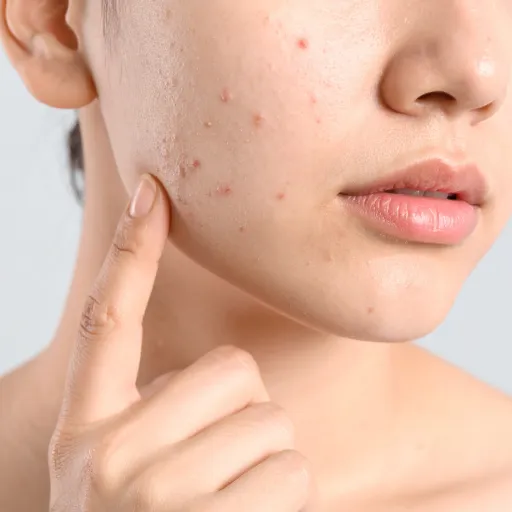
Breakouts along thejawline, chin, and lower cheeks
Deep, painfulcystic pimplesthat sit under the skin
Flare-ups that coincide with yourmenstrual cycle(typically 7–10 days before your period)
Breakouts that don't respond to typical acne face washes or spot treatments
Occasional breakouts on theneck, chest, and back
What Causes Hormonal Acne in Adults?
Several factors can trigger or worsen hormonal acne:
1. Menstrual Cycle Fluctuations
The most common trigger. Oestrogen and progesterone levels shift throughout your cycle, and the relative increase in androgens before your period stimulates oil production.
2. Polycystic Ovary Syndrome (PCOS)
PCOS is a hormonal condition that causes elevated androgen levels, leading to persistent acne, irregular periods, and sometimes excess hair growth. If your acne is accompanied by these symptoms, a hormonal evaluation may be recommended.Book a consultationto discuss your options.
3. Stress
Chronic stress increases cortisol levels, which in turn stimulates androgen production and oil secretion. Stress-related hormonal acne often appears suddenly during high-pressure periods and can be difficult to manage with skincare alone.
4. Perimenopause and Menopause
As oestrogen levels decline in your 40s and 50s, the relative influence of androgens increases. Many women experience a return of acne during this transition—sometimes for the first time since their teens.
5. Discontinuing Hormonal Contraception
Birth control pills often suppress androgens, keeping skin clear. When you stop taking them, a hormonal rebound can trigger significant breakouts, sometimes lasting 6–12 months.
6. Diet and Lifestyle
High-glycaemic diets (refined sugars, processed carbohydrates) and dairy have been linked to increased androgen activity and worsened acne. While diet alone rarely causes hormonal acne, it can amplify hormonal triggers.
How to Treat Hormonal Acne
Over-the-counter products alone rarely resolve hormonal acne because they don't address the internal hormonal driver. Effective treatment typically requires a combination approach.
1. Prescription Topical Retinoids
Retinoids (tretinoin, adapalene) are the gold standard for acne-prone skin. They accelerate cell turnover, prevent clogged pores, and reduce inflammation. For hormonal acne, retinoids work best as part of a broader treatment plan.
Perfect for:Preventing new breakouts, improving skin texture, and fading dark marks
2. Hormonal Therapy
For women whose acne is clearly driven by hormonal fluctuations, targeted hormonal treatments can be transformative:
Combined oral contraceptives:Reduce androgen levels and regulate hormonal cycles
Spironolactone:An anti-androgen medication that blocks testosterone's effect on oil glands—highly effective for adult female acne
Hormonal evaluation:Blood tests to check androgen levels, thyroid function, and rule out PCOS
Perfect for:Persistent jawline and chin acne, acne linked to menstrual cycles or PCOS
3. Medical-Grade Skincare Routine
A carefully selected routine for acne-prone skin makes a significant difference alongside medical treatment:
Gentle cleanserlikeE.X.F.O. cleanse(no harsh sulphates that strip the barrier)
Niacinamide serumto control oil and reduce inflammation
Prescribed retinoidat night
Lightweight, non-comedogenic moisturiser
SPF 50+dailyto prevent post-acne dark marks
Perfect for:Daily management and prevention between clinical treatments
4. Professional Treatments
In-clinic treatments complement medical therapy by addressing active breakouts and scarring:
Chemical peels:Reduce congestion and improve cell turnover
LED light therapy:Blue light targets bacteria; red light calms inflammation
Targeted facials:Deep cleansing without irritating hormonal breakouts
At-home support:TheA.C. resurfacing KITandA.C.T.I.V.E. formulacomplement in-clinic results
Perfect for:Monthly maintenance, stubborn congestion, and overall skin health
5. Lifestyle Modifications
While they won't cure hormonal acne alone, these lifestyle changes support your treatment plan:
Manage stressthrough exercise, sleep, and mindfulness
Reduce high-glycaemic foodsand consider limiting dairy
Avoid pickingat breakouts—hormonal cysts are especially prone to scarring
Change pillowcases regularlyand keep phones clean
Stay consistentwith your prescribed routine—hormonal acne treatment takes time
How Long Does It Take to Clear Hormonal Acne?
Be patient with yourself and the process. Hormonal acne treatment typically follows this timeline:
Weeks 1–4:Possible initial purging as retinoids increase cell turnover
Months 1–3:Gradual reduction in new breakouts and inflammation
Months 3–6:Significant clearing, especially with hormonal therapy
Ongoing:Maintenance routine to keep skin clear long-term
Frequently Asked Questions About Hormonal Acne
How do I know if my acne is hormonal?Hormonal acne typically appears along the jawline, chin, and lower cheeks. It tends to flare up around your menstrual cycle (7–10 days before your period), presents as deep, painful cysts rather than surface-level pimples, and doesn't respond well to regular face washes or spot treatments.
What is the best treatment for hormonal acne?A combination approach works best: prescription retinoids to prevent breakouts, targetedmedical-grade productsfor daily care, professional treatments like chemical peels and LED therapy, and in some cases hormonal therapy such as spironolactone.
Can hormonal acne go away on its own?It depends on the cause. Acne related to a temporary hormonal shift (like stopping birth control) may improve over 6–12 months. However, acne driven by conditions like PCOS or ongoing hormonal fluctuations typically requires treatment to manage effectively.
Does stress cause hormonal acne?Yes. Chronic stress increases cortisol levels, which in turn stimulates androgen production and excess oil secretion. Stress management through exercise, sleep, and self-care is an important part of any hormonal acne treatment plan.
At what age does hormonal acne stop?There's no set age. While some women see improvement after their 20s, many experience hormonal acne through their 30s, 40s, and even into perimenopause. The good news is that with the right treatment, it can be effectively controlled at any age.Book a consultationto discuss your options.
Hormonal Acne Is Treatable—Let Us Help
At Radiant Secrets, we understand that hormonal acne is more than a skin problem—it's something that affects how you feel every single day. We treat people with care, expertise, and kindness. Every treatment plan is personalised, private, and designed to work with your body, not against it.
Be The Glow You Forgot.
Struggling with breakouts that won't quit? Book a consultation and let us get to the root of your hormonal acne.
Dr Steffani Ovadia is the founder ofRadiant Secrets SA, a doctor-led skincare and aesthetic clinic dedicated to helping you achieve clear, healthy skin through personalised, science-backed treatment.