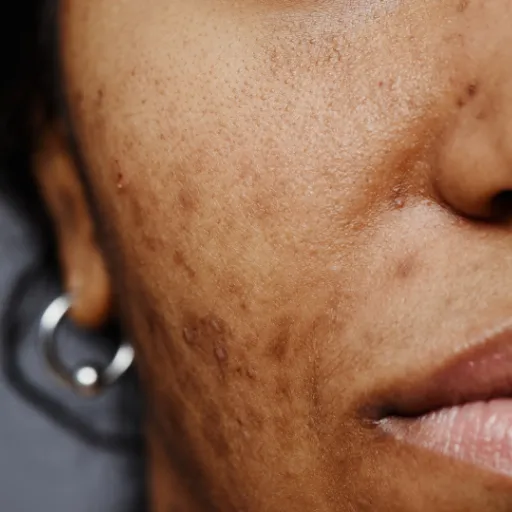
How to Get Rid of Acne Scars: Expert Solutions for Smooth Skin
How to Get Rid of Acne Scars: Expert Solutions for Smooth, Radiant Skin
Date:February 23, 2026Author:Dr Steffani Ovadia
You finally got your acne under control—but the scars left behind tell a different story. Acne scars are one of the most frustrating skin concerns, and they can linger for years if not properly treated. The good news? Modern aesthetic medicine offers highly effective solutions for reducing and even eliminating acne scars. AtRadiant Secrets, we specialise in helping you move beyond breakouts to achieve the smooth, clear skin you've been working toward. Ouradvanced treatmentsandmedical-grade productsare designed specifically for scar reduction and skin restoration.
Why Does Acne Leave Scars?
Not all acne causes scarring, but when breakouts are deep, inflamed, or picked at, the skin's healing process can go wrong. Here's what happens:
Inflammatory acne(cystic acne, nodules, and deep pustules) damages the deeper layers of skin
Your body produces collagen to repair the wound—but sometimes too much or too little is produced
Too little collagencreates depressed (atrophic) scars—the most common type
Too much collagencreates raised (hypertrophic) scars or keloids
Post-inflammatory hyperpigmentation (dark marks) can persist for months, even after the pimple has healed
Understanding your scar type is essential for choosing the right treatment.
Types of Acne Scars
Atrophic Scars (Depressed)
These are the most common acne scars and come in three forms:
Ice-pick scars:Narrow, deep holes that extend into the dermis. Often the most difficult to treat.
Boxcar scars:Broad, rectangular depressions with sharp edges. Common on the cheeks and temples.
Rolling scars:Wide, shallow indentations with soft, sloping edges that create an uneven, wave-like texture.
Hypertrophic and Keloid Scars (Raised)
Less common with facial acne but frequent with back acne and chest acne. These raised scars form when the body overproduces collagen during healing.
Post-Inflammatory Hyperpigmentation (PIH)
While not technically a scar, these dark spots are the most common aftermath of acne, especially on darker skin tones. They occur when inflammation triggers excess melanin production.
Perfect for understanding:Knowing which type you have helps us choose the most effective treatment
Doctor-Approved Acne Scar Treatments
1. Microneedling (Collagen Induction Therapy)
Microneedling uses fine needles to create controlled micro-injuries in the skin, triggering your body's natural collagen production. As new collagen forms, it fills in depressed scars and improves overall skin texture.
Perfect for:Rolling scars, boxcar scars, general texture improvement, and enlarged pores
How often:3–6 sessions spaced 4–6 weeks apart
Bonus:Minimal downtime and suitable for all skin tones, including darker skin
2. Chemical Peels
Medical-grade chemical peels accelerate cell turnover, helping to fade dark marks and smooth out superficial scarring. Different acids target different concerns—your doctor will select the right peel strength and type for your skin.
Perfect for:Post-inflammatory hyperpigmentation, mild boxcar scars, uneven skin tone
Plan:A series of 4–6 peels spaced 2–4 weeks apart for best results
3. Medical-Grade Skincare (Retinoids + Active Ingredients)
Prescription retinoids are one of the most effective at-home treatments for acne scars. They increase cell turnover, stimulate collagen production, and help fade hyperpigmentation over time. Combined with ingredients like vitamin C, niacinamide, and azelaic acid, a targeted home routine using products likeA.C.T.I.V.E. formulaandMD AC active recoverysignificantly supports in-clinic results.
Perfect for:Mild scarring, dark marks, and ongoing maintenance between clinical treatments
How to use:Start slowly (2–3 times per week) and always use SPF during the day
4. Platelet-Rich Plasma (PRP) Therapy
PRP uses your own blood's growth factors to accelerate healing and collagen production. Often combined with microneedling for enhanced results, PRP can improve scar depth and skin quality.
Perfect for:Deeper atrophic scars, overall skin rejuvenation
Bonus:Uses your body's own healing mechanisms—no synthetic ingredients
5. LED Light Therapy
Red LED light therapy promotes collagen synthesis and reduces inflammation, supporting the healing process after acne and scar treatments. It's gentle, non-invasive, and works well alongside other therapies.
Perfect for:Reducing redness, supporting healing, and maintaining results between treatments
6. Resurfacing Facials and MD Kits
Professional resurfacing facials paired with at-home medical-grade kits like theA.C. resurfacing KIT(containing actives like lactobionic acid, retinol, and vitamin C) work together to gradually improve texture, tone, and scar visibility.
Perfect for:Mild to moderate scarring, uneven texture, and dull complexions
Home + Clinic Plan:Combine professional treatments with daily active skincare for optimal, lasting results
How to Prevent New Acne Scars
Prevention is always better than treatment. Here's how to minimise your risk of scarring:
Don't pick or squeezeyour pimples—this is the number one cause of avoidable scarring
Treat acne earlywith effective products likeE.X.F.O. cleanse—the sooner you get active breakouts under control, the less likely they are to scar
WearSPF 50+daily—UV exposure darkens post-inflammatory marks and slows healing
See a doctorfor persistent or cystic acne before it causes deep skin damage
Follow your prescribed routineconsistently for the best long-term results
Frequently Asked Questions About Acne Scars
Can acne scars be completely removed?While deep scars may not be 100% eliminated, modern treatments like microneedling, chemical peels, and PRP therapy can dramatically reduce their appearance—often by 50–80%. The key is choosing the right treatment for your specific scar type.
How long does it take for acne scars to fade?Post-inflammatory dark marks (hyperpigmentation) can fade on their own over 3–12 months, but treatment speeds this up significantly. Deeper atrophic scars require professional intervention and typically improve over a series of 3–6 treatments.
What is the best treatment for acne scars on dark skin?Darker skin tones require extra care to avoid further pigmentation. Microneedling, mandelic acid peels, andmedical-grade skincarewith ingredients like azelaic acid and vitamin C are safe and effective options. Always wearSPF 50+.
Does microneedling really work for acne scars?Yes. Microneedling creates controlled micro-injuries that trigger your body's natural collagen production, gradually filling in depressed scars and improving skin texture. Most patients see noticeable improvement after 3–6 sessions.
Can I treat acne scars at home?Home treatments like theA.C. resurfacing KITand prescription retinoids can help with mild scarring and dark marks. However, deeper scars typically requirein-clinic treatmentsfor the best results.
Your Journey to Scar-Free Skin
At Radiant Secrets, we understand that acne scars carry more than just a physical mark—they affect how you feel about yourself. That's why every treatment plan is personalised, gentle, and designed to restore not just your skin, but your confidence. We treat people with care, expertise, and kindness.
Be The Glow You Forgot.
Ready to address your acne scars? Book a consultation and let us create your personalised treatment plan for smoother, more radiant skin.
Dr Steffani Ovadia is the founder ofRadiant Secrets SA, a doctor-led skincare and aesthetic clinic helping South Africans achieve healthy, radiant skin through expert care and proven treatments.