Microneedling: What It Is, How It Works, and Why It’s One of the Most Effective Skin Treatments Available
Microneedling: What It Is, How It Works, and Why It’s One of the Most Effective Skin Treatments Available
If you’ve been researching ways to improve your skin’s texture, reduce scarring, or bring back that natural glow, chances are you’ve come across microneedling. It’s one of the most talked-about treatments in aesthetics — and for good reason. It’s safe, effective, and works across a wide range of skin types and concerns.
At Radiant Secrets, microneedling is one of the treatments we recommend most often. It’s versatile, backed by solid evidence, and when performed by a trained professional, delivers results that are difficult to match with products alone. Here’s everything you need to know.
What Is Microneedling?
Microneedling — also known as collagen induction therapy (CIT) or skin needling — is a minimally invasive treatment that uses ultra-fine needles to create thousands of tiny, controlled micro-injuries in the skin’s surface.
That might sound counterintuitive, but this is exactly the point. These micro-channels trigger your body’s natural wound-healing response: fresh collagen and elastin are produced, damaged tissue is remodelled, and the skin gradually becomes firmer, smoother, and more even-toned.
Unlike aggressive resurfacing treatments, microneedling works with your skin rather than against it. There’s no thermal damage, no ablation, and no removal of the outer skin layer — which makes it suitable for a much wider range of skin types, including darker skin tones that may not tolerate laser treatments well.
How Does Microneedling Work?
The process is straightforward but precise.
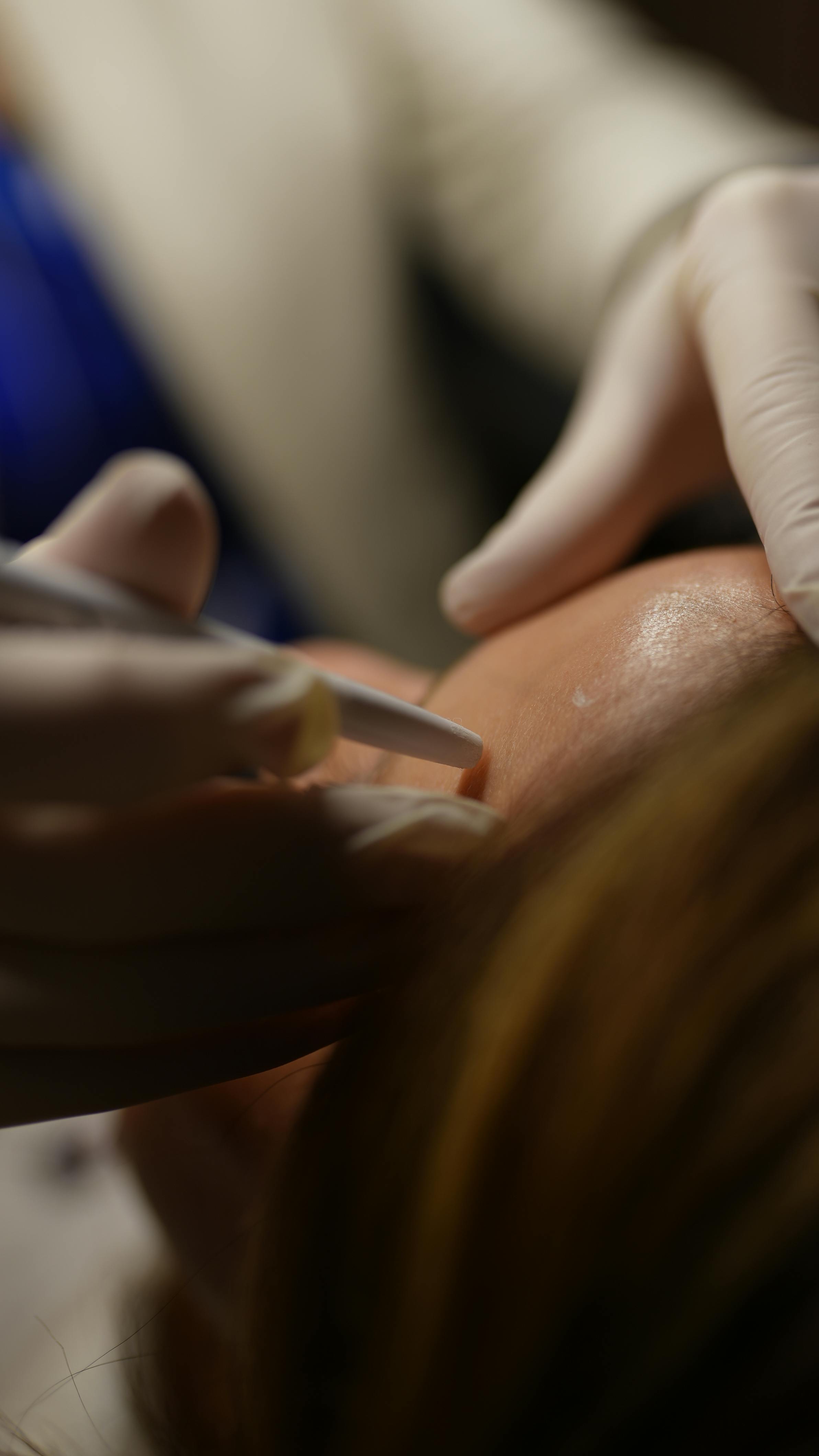
A device fitted with fine, sterile needles is moved across the skin. The needles penetrate to a controlled depth — typically between 0.5mm and 2.5mm depending on the area and concern being treated. Modern devices like the Dermapen use automated, oscillating needles that adjust in real time, making the treatment faster, more consistent, and more comfortable than older roller-based tools.
Here’s what happens at a cellular level:
1.Micro-injury phase: The needles create tiny channels in the dermis without damaging the outer layer (epidermis). This preserves the skin’s barrier while activating the healing response beneath.
2.Inflammation phase: Within hours, the body sends growth factors, platelets, and immune cells to the treated area. This controlled inflammation is what kickstarts the regeneration process.
3.Proliferation phase: Over the following days and weeks, fibroblasts (the cells responsible for producing collagen) ramp up activity. New collagen and elastin fibres are laid down, and fresh blood vessels form to support the healing tissue.
4.Remodelling phase: Over the next 3–6 months, the newly deposited collagen matures and reorganises. This is why microneedling results continue to improve long after the treatment itself.
The micro-channels also serve a second purpose: they dramatically increase the absorption of topical serums and active ingredients applied during and immediately after treatment. Products that would normally sit on the skin’s surface can penetrate far deeper, making them significantly more effective.
What Can Microneedling Treat?
One of the reasons microneedling has become so widely recommended is its versatility. It can address a genuinely broad range of skin concerns:
Acne Scarring
This is where microneedling truly excels. The controlled collagen remodelling process fills in depressed scars — particularly rolling and boxcar types — and smooths out uneven texture caused by past breakouts. Multiple sessions can produce significant visible improvement, even in scars that have been present for years.
Fine Lines and Wrinkles
By stimulating fresh collagen production, microneedling plumps and firms the skin from within. This is especially effective around the eyes, forehead, and mouth — areas where early signs of ageing tend to appear first.
Enlarged Pores
As collagen production increases around the pore structure, pores appear visibly smaller and more refined. This is one of the most immediately noticeable improvements patients report.
Uneven Skin Texture
Rough, bumpy, or dull skin responds well to the resurfacing effect of microneedling. The turnover of damaged surface cells and production of fresh tissue underneath results in smoother, more luminous skin.
Pigmentation and Sun Damage
Microneedling can help break up superficial pigmentation and encourage the turnover of melanin-heavy cells. When combined with targeted serums, it’s an effective part of a broader pigmentation management strategy — particularly for concerns like post-inflammatory hyperpigmentation and sun damage.
Stretch Marks
The same collagen-remodelling mechanism that improves scars also works on stretch marks. Microneedling can improve both the texture and colour of stretch marks on the body, particularly newer ones that still have a reddish or purplish tone.
Overall Skin Rejuvenation
Even without a specific concern, microneedling promotes a healthier, more resilient complexion. Many patients use it as a maintenance treatment — a way to keep their skin looking fresh and functioning at its best over time.
What to Expect During a Microneedling Session
Understanding what happens on the day helps take the uncertainty out of the experience.
Before treatment: Your skin is thoroughly cleansed, and a topical numbing cream is applied. This sits for 20–30 minutes to ensure comfort throughout the procedure.
During treatment: The microneedling device is passed systematically across the treatment area. You may feel a mild vibrating or prickling sensation, but most patients describe it as entirely manageable — particularly with numbing in place. The treatment itself typically takes 30–45 minutes for the face.
Immediately after: Your skin will look red and feel warm — similar to mild sunburn. This is a normal and expected response. A calming serum or mask is usually applied to soothe the skin and support the early healing process.
The first 24–48 hours: Redness gradually fades. Your skin may feel tight or slightly dry as it heals. Avoid active skincare ingredients (retinol, AHAs, vitamin C), direct sun exposure, and makeup during this window.
Days 3–7: The skin begins to feel smoother and may lightly flake as it turns over. Most patients are back to their full routine — including makeup — within 2–3 days.
Weeks to months: The real transformation happens here. As new collagen matures and reorganises, you’ll notice progressive improvements in texture, tone, and firmness that continue for up to six months after each session.
How Many Sessions Do You Need?
This depends on what you’re treating.
·General skin rejuvenation and glow: 3–4 sessions, spaced 12–16 weeks apart
·Fine lines and pore refinement: 4–6 sessions, spaced 12–16 weeks apart
·Acne scarring: 4–8 sessions, spaced 12–16 weeks apart, depending on scar depth and type
·Pigmentation: 3–6 sessions, spaced 12–16 weeks apart, often combined with targeted topicals
Your practitioner will assess your skin at each visit and adjust the treatment depth and frequency based on how your skin is responding. This is one of the key advantages of being treated in a clinical setting rather than at a salon — the approach evolves with your skin.
Is Microneedling Safe for All Skin Types?
Yes — and this is an important distinction.
Unlike some laser treatments, which carry a higher risk of post-inflammatory hyperpigmentation (PIH) in darker skin tones, microneedling doesn’t use heat or light energy. The mechanism is purely mechanical, which makes it one of the safest collagen-stimulating treatments available for Fitzpatrick skin types III–VI.
This is particularly relevant in South Africa, where many patients have melanin-rich skin and need treatments that address their concerns without creating new pigmentation issues. Microneedling, when performed at the correct depth and with appropriate post-care, is an excellent option across the full spectrum of skin tones.
Microneedling vs Other Treatments: How Does It Compare?
Microneedling vs Chemical Peels
Chemical peels work by dissolving the outer layers of skin to promote turnover. They’re excellent for surface-level concerns like dullness, mild pigmentation, and texture. Microneedling goes deeper — literally — targeting the dermis where collagen is produced. The two treatments complement each other beautifully and are often used in combination for enhanced results.
Microneedling vs Laser Resurfacing
Laser treatments use light energy to resurface or remodel the skin. They can be highly effective but carry more risk for darker skin tones and typically involve longer downtime. Microneedling achieves similar collagen-stimulating results through a mechanical process, making it a safer and more accessible option for many patients.
Microneedling vs Dermal Fillers
Fillers add volume beneath the skin to smooth lines and restore lost structure. Microneedling improves the skin itself — its texture, tone, and quality. These are different goals that work together. A patient might have filler placed in the nasolabial folds for immediate structural improvement, and microneedling across the face for long-term skin quality.
Microneedling vs At-Home Rollers
Derma-rollers sold for home use typically have shorter needles (0.25–0.5mm) and cannot achieve the depths needed for meaningful collagen induction. They also use a rolling action that can drag and tear skin cells, increasing the risk of irritation and infection. Professional microneedling uses a stamping action with sterile, single-use cartridges — it’s a fundamentally different treatment with fundamentally different results.
Who Should Avoid Microneedling?
While microneedling is suitable for most people, there are some situations where it’s not recommended:
·Active acne breakouts or skin infections in the treatment area
·Open wounds, cuts, or abrasions
·Active cold sores (herpes simplex) — treatment can trigger a flare
·Use of isotretinoin (Accutane) within the past 6 months
·Pregnancy or breastfeeding (as a precaution)
·Blood clotting disorders or use of blood-thinning medication
·Keloidal scarring tendency (requires careful assessment)
If any of these apply to you, your practitioner will discuss alternative options during your consultation.
Aftercare: How to Get the Best Results from Microneedling
What you do after treatment matters almost as much as the treatment itself.
The first 24 hours:
·Use only gentle, hydrating products — a hyaluronic acid serum and a simple moisturiser are ideal
·Avoid touching your face unnecessarily
·No makeup, no active ingredients, no exfoliation
·Avoid hot showers, saunas, and exercise that causes heavy sweating
The first week:
·Apply SPF 50+ sunscreen daily (non-negotiable — your skin is more sensitive to UV damage while healing)
·Continue using gentle products; reintroduce actives only when your skin feels fully settled (usually day 5–7)
·Stay hydrated and support your skin’s repair process from the inside out
Ongoing:
·A consistent homecare routine between sessions amplifies your results. Products containing hyaluronic acid, peptides, niacinamide, and vitamin C are particularly beneficial
·At Radiant Secrets, we can recommend products from our skincare range that are designed to work alongside professional treatments
Why a Doctor-Led Clinic Matters for Microneedling
Microneedling is a medical-grade treatment. The depth of needle penetration, the choice of serums applied during treatment, and the assessment of whether microneedling is the right option for your specific concern — these are clinical decisions that benefit from medical training and an understanding of facial anatomy.
At Radiant Secrets, every treatment plan is designed and overseen by a doctor. This means your microneedling isn’t performed in isolation — it’s part of a considered approach to your skin that takes into account your full history, your goals, and how different treatments and products can work together to get you there.
This matters especially for concerns like acne scarring, pigmentation, and ageing, where a one-size-fits-all approach rarely delivers the best outcomes.
Frequently Asked Questions
How painful is microneedling?
Most patients describe the sensation as a mild tingling or vibrating feeling. A topical numbing cream is applied before treatment, which makes the procedure comfortable for the vast majority of people. Sensitive areas like the forehead and upper lip may feel slightly more intense, but the discomfort is brief and manageable.
How long before I see results from microneedling?
You’ll notice an immediate improvement in skin glow and hydration within the first week. More significant changes — reduced scarring, refined pores, improved texture — develop over 4–8 weeks as new collagen matures. Results continue to improve for up to 6 months after a course of treatment.
Can microneedling make acne scars worse?
No — when performed correctly on healed skin (not active breakouts), microneedling is one of the most effective treatments for improving acne scars. The collagen remodelling process fills in depressions and smooths out textural irregularities. It’s important that active acne is under control before starting treatment.
Is microneedling safe for dark skin?
Yes. Microneedling is one of the safest collagen-stimulating treatments for darker skin tones because it doesn’t use heat or light energy. This significantly reduces the risk of post-inflammatory hyperpigmentation (PIH) that can occur with some laser treatments. Proper aftercare — particularly sun protection — remains essential for all skin types.
How often should I get microneedling done?
For most concerns, sessions are spaced 12–16 weeks apart. This spacing is intentional — it gives your skin’s collagen cycle enough time to fully complete without risking cellular exhaustion from being treated too frequently. A typical course is 3–6 sessions depending on the concern being treated. Maintenance sessions every 4–6 months can help sustain and build on results over time.
Can I wear makeup after microneedling?
It’s best to avoid makeup for at least 24 hours — ideally 48 hours — after treatment. The micro-channels in your skin are still open during this time, and applying cosmetics can introduce bacteria or irritants. Once the channels have closed and any redness has subsided, you can return to your normal routine.
What’s the difference between microneedling and a vampire facial?
A “vampire facial” is actually microneedling combined with PRP (platelet-rich plasma) — your own blood is drawn, processed to concentrate the growth factors, and applied to the skin during needling. The PRP enhances the healing and rejuvenation response. It’s a more intensive version of standard microneedling and can be particularly effective for scarring and ageing concerns.
Can microneedling be combined with other treatments?
Absolutely — and often, this is where the best results come from. Microneedling pairs well with chemical peels, PRP, LED therapy, and targeted serums. At Radiant Secrets, we often design combination protocols that address multiple skin concerns simultaneously, giving you better results in fewer visits.
Microneedling is one of those treatments that quietly delivers — no drama, no excessive downtime, just real, visible improvement in the quality of your skin. At Radiant Secrets in Illovo, Johannesburg, we’d love to help you understand whether it’s the right option for you. Book a consultation and let’s talk about your skin.
Be The Glow You Forgot.
Ready to see what microneedling can do for your skin? Book Your Skin Consultation and let’s create a plan that’s designed around you.
Stef Ovadia is the founder of Radiant Secrets SA, a doctor-led skincare and aesthetic clinic in Illovo, Gauteng, dedicated to helping you achieve healthy, radiant skin with care, expertise, and kindness.