What Causes Acne? A Doctor's Guide to Understanding and Treating Breakouts
What Causes Acne? A Doctor's Guide to Understanding and Treating Breakouts
Date:February 23, 2026Author:Dr Steffani Ovadia
Acne is one of the most common skin concerns we see atRadiant Secrets—and one of the most misunderstood. Whether you're a teenager dealing with your first breakouts or an adult wondering why acne has made an unwelcome return, understanding what's really happening beneath the surface is the first step toward clear, healthy skin. This guide breaks down the causes of acne and what you can do about it, backed by medical expertise and real-world results.
What Is Acne, Really?
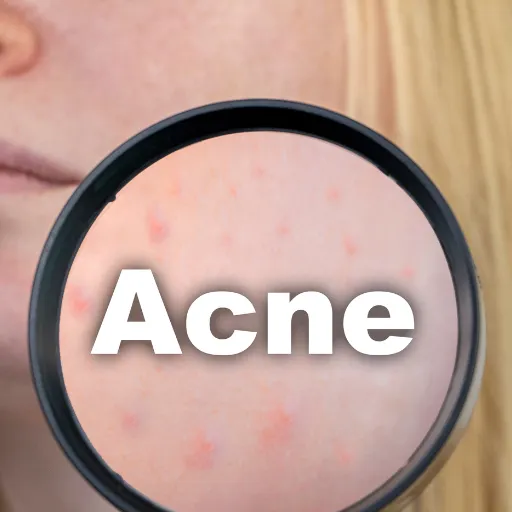
Acne (also known as acne vulgaris) is a chronic inflammatory skin condition that occurs when hair follicles become clogged with oil and dead skin cells. It's not just about having "dirty skin"—acne is driven by a combination of internal and external factors that affect your skin's natural processes.
Common signs of acne include:
Blackheads and whiteheads (comedones)
Red, inflamed pimples (papules and pustules)
Deep, painful lumps beneath the skin (cystic acne)
Post-inflammatory marks and acne scars
The 5 Main Causes of Acne
1. Excess Sebum Production
Your skin's oil glands (sebaceous glands) produce sebum to keep skin moisturised. When these glands go into overdrive—often triggered by hormones—pores become clogged. This is whyacne-prone skintends to look shiny or feel oily, especially in the T-zone.
2. Hormonal Fluctuations
Hormonal acne is incredibly common, particularly in women. Fluctuations during puberty, menstrual cycles, pregnancy, and perimenopause can all trigger breakouts. Androgens stimulate oil production, which is why hormonal acne often appears along the jawline and chin. If hormonal breakouts sound familiar, our team atRadiant Secretscan help identify your triggers.
Who it affects:Teens, women with PCOS, adults experiencing stress or hormonal shifts
3. Bacterial Overgrowth
A bacterium calledCutibacterium acnes(formerlyPropionibacterium acnes) naturally lives on the skin. When pores become blocked, this bacteria multiplies rapidly in the trapped oil, triggering inflammation and those angry red breakouts.
4. Inflammation and Immune Response
Your body's inflammatory response to clogged pores and bacterial overgrowth is what turns a simple blocked pore into a swollen, painful pimple. Chronic inflammation can lead to more severe forms like cystic acne and increase the risk of permanent acne scars.
5. Lifestyle and Environmental Factors
Several external factors can worsen acne:
Stress (increases cortisol, which stimulates oil production)
Diet high in refined sugars and dairy
Using comedogenic (pore-clogging) skincare products—explore ourdoctor-approved product rangefor non-comedogenic options
Touching your face frequently
Not cleansing properly after sweating—a gentle but effective cleanser likeE.X.F.O. cleansecan help
Types of Acne You Should Know
Understanding the types of acne helps determine the right treatment approach:
Comedonal acne:Blackheads and whiteheads—mild and surface-level
Inflammatory acne:Red, swollen pimples that can be tender
Cystic acne:Deep, painful cysts beneath the skin that are prone to scarring—learn how we treat cystic acne
Hormonal acne:Typically along the jawline and chin, linked to hormonal cycles
Fungal acne:Caused by yeast overgrowth, not bacteria—often itchy and uniform in appearance
Back acne:Breakouts on the back and shoulders, common in both men and women
When Should You See a Doctor About Acne?
Over-the-counter products work for mild breakouts, but if your acne is persistent, painful, leaving scars, or affecting your confidence, it's time to seek professional help. AtRadiant Secrets, we take a medical-first approach, assessing your skin type, lifestyle, and underlying causes before recommending a personalised treatment plan.
Signs it's time to book a consultation:
Your acne hasn't improved after 3 months of consistent over-the-counter treatment
You're developing scars or dark marks
Your breakouts are deep, cystic, or painful
Acne is affecting your self-esteem or daily life
How We Treat Acne at Radiant Secrets
Every skin journey is unique, which is why we never take a one-size-fits-all approach. After a thorough skin assessment, your treatment plan may include:
Medical-Grade Skincare
Targeted products with active ingredients like retinol, mandelic acid, and niacinamide to control oil, reduce bacteria, and promote cell turnover. OurA.C.T.I.V.E. formulaandA.C. resurfacing KITare specifically designed for acne-prone skin. Browse our fullcurated skincare range.
Perfect for:Mild to moderate acne and acne-prone skin maintenance
Professional Facials and Peels
Clinical-grade facials designed to deep-cleanse pores, reduce inflammation, and resurface the skin gently. See our full list ofprofessional treatmentsavailable at the clinic.
Perfect for:Congested skin, blackheads, and dull, textured complexions
Prescription Treatments
For moderate to severe acne, prescription-strength solutions such as topical retinoids, antibiotics like doxycycline, or hormonal therapy may be recommended.
Perfect for:Persistent or hormonal acne that hasn't responded to OTC products
Scar Treatment
Once active acne is under control, we addressacne scars with advanced treatmentsto restore smooth, even-toned skin. Daily sun protection withSPF 50+is essential to prevent dark marks from worsening.
Perfect for:Post-inflammatory hyperpigmentation, textured scarring, and ice-pick scars
Frequently Asked Questions About Acne
What is the main cause of acne?Acne is caused by a combination of excess oil production, clogged pores, bacterial overgrowth, and inflammation. Hormonal fluctuations are one of the most common triggers, which is why acne often flares during puberty, menstrual cycles, and times of stress.
Can acne be cured permanently?While there's no one-time "cure," acne can be effectively managed and controlled long-term with the right treatment plan. Many patients achieve lasting clear skin through a combination ofmedical-grade skincare, professional treatments, and lifestyle adjustments.
Does diet affect acne?Yes, research shows that high-glycaemic foods (refined sugars, processed carbohydrates) and dairy can worsen acne in some people. However, diet alone rarely causes acne—it's usually one factor among several.
When should I see a doctor about my acne?If your acne hasn't improved after 3 months of consistent over-the-counter treatment, is leaving scars or dark marks, is deep and painful, or is affecting your confidence, it's time tobook a professional consultation.
Is acne only a teenage problem?Not at all. Adult acne is very common, particularly in women. Hormonal changes, stress, and lifestyle factors can trigger breakouts well into your 30s, 40s, and beyond.
Your Clear Skin Journey Starts Here
At Radiant Secrets, we don't just treat acne—we treat the person behind the skin. Every consultation is private, personalised, and guided by medical expertise. Whether you're dealing with occasional breakouts or long-standing cystic acne, our team is here to help you feel confident in your own skin.
Be The Glow You Forgot.
Not sure where to start?Meet our teamand book a consultation to design your personalised acne treatment plan.
Dr Steffani Ovadia is the founder ofRadiant Secrets SA, a doctor-led skincare and aesthetic clinic dedicated to helping you achieve healthy, radiant skin with care, expertise, and kindness.