
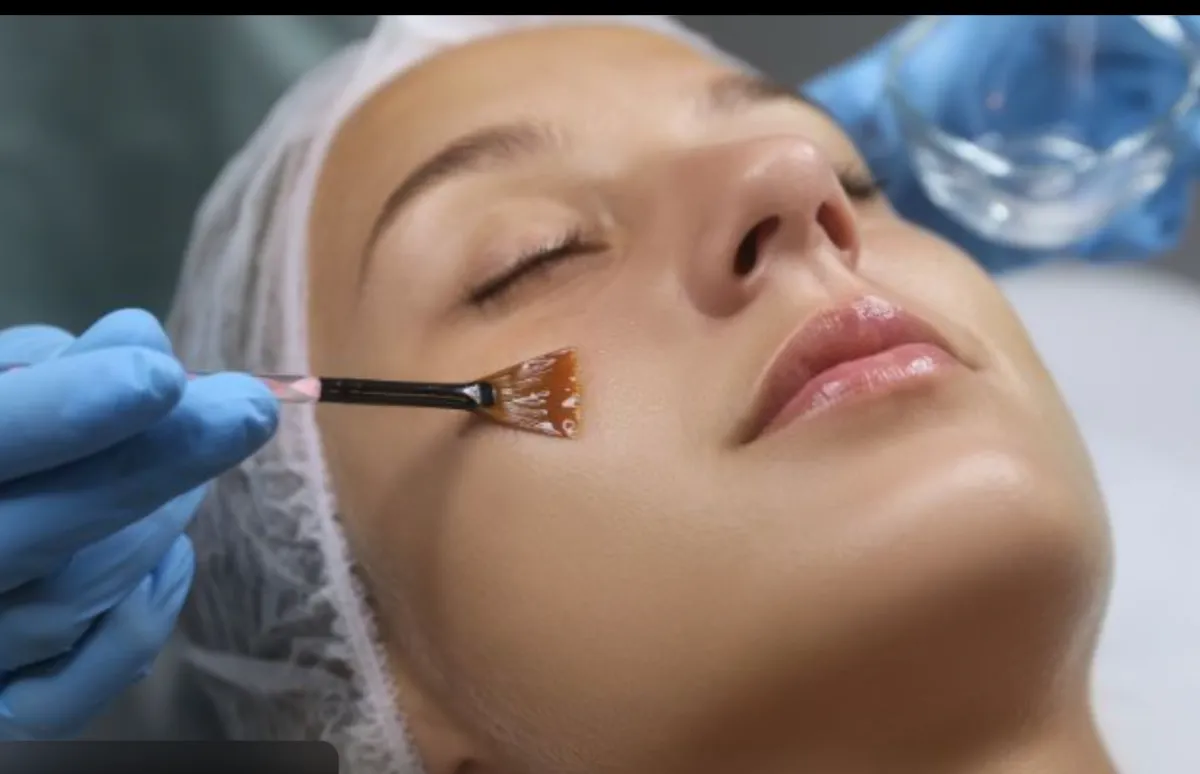
Chemical Peels: A Doctor-Led, Evidence-Based Approach to Skin Resurfacing
January 27, 2026
Written by
Dr Ovadia
Medical Aesthetic Doctor
Founder, Radiant Secrets
Dr Ovadia is a medical aesthetic doctor specialising in evidence-based skin treatments and long-term skin health.
ALearn how doctor-led, evidence-based chemical peels improve skin texture, tone, and ageing concerns through medical assessment and treatment planning.
Introduction
Chemical peels are often misunderstood as aggressive or purely cosmetic treatments.
In medical aesthetics, they serve a very different purpose.
At Radiant Secrets, chemical peels are used as evidence-based medical skin resurfacing tools — prescribed following a professional skin assessment and aligned to long-term skin health, not short-term cosmetic trends.
This article explains how chemical peels work, who they are suitable for, and why a doctor-led approach matters.
What Are Chemical Peels?
Chemical peels are controlled resurfacing treatments that use specific acids to stimulate skin renewal.
Unlike over-the-counter exfoliation products, medical chemical peels work by:
Triggering regulated cell turnover
Improving epidermal and dermal function
Supporting collagen and barrier repair
The objective is skin normalisation, not skin trauma.
How Chemical Peels Work on the Skin
Chemical peels act by creating a controlled biological response within the skin.
This process allows for:
Removal of damaged surface cells
Stimulation of new, healthier cell formation
Improved absorption of active skincare
The depth and intensity of a peel are determined by:
Skin diagnosis
Barrier integrity
Inflammatory markers
Pigment behaviour
Ageing pattern
This is why peel selection should never be standardised.
Skin Concerns That May Benefit from Chemical Peels
When prescribed correctly, chemical peels may support the management of:
Uneven skin tone and pigmentation
Fine lines and early ageing changes
Acne-prone and congested skin
Dull or rough skin texture
Sun-induced skin damage
A medical assessment is essential to determine whether a peel is appropriate — and which type is safe.
Types of Chemical Peels Used in Medical Aesthetics
Not all chemical peels are the same.
In a doctor-led practice, peels are categorised by depth and clinical purpose, not by brand names.
Superficial Peels
Act on the outer epidermal layers
Support texture refinement and radiance
Often used as part of a treatment plan
Medium-Depth Peels
Penetrate deeper epidermal structures
Used for pigmentation, acne scarring, and ageing concerns
Require strict skin preparation and aftercare
Medical-Grade Resurfacing Protocols
Prescribed selectively
Used where research supports clinical benefit
Always aligned to safety and skin resilience
At Radiant Secrets, only products with positive research findings are used.
What to Expect During a Chemical Peel Treatment
A chemical peel appointment includes more than the treatment itself.
Patients can expect:
A professional medical skin analysis
Diagnosis versus cosmetic concern clarification
Individualised treatment planning
Controlled application and monitoring
Clear post-treatment guidance
Downtime and sensation vary depending on peel type and skin response.
Are Chemical Peels Safe?
Chemical peels are safe when prescribed and performed correctly.
Risk increases when:
Skin preparation is inadequate
Barrier health is ignored
Peels are chosen based on trend rather than diagnosis
A doctor-led setting prioritises:
Skin integrity
Predictable healing
Long-term outcomes
Safety is a clinical decision, not a marketing claim.
Who Is Suitable for a Chemical Peel?
Suitability depends on more than skin type.
A medical assessment considers:
Current skin condition
Inflammation levels
Pigment behaviour
Previous treatments
Lifestyle and sun exposure
Some patients may benefit more from barrier repair or alternative treatments before resurfacing is introduced.
Why a Doctor-Led Approach Matters
Chemical peels influence biological skin processes.
In a doctor-led aesthetic practice:
Treatments are evidence-based
Products are research-supported
Decisions are diagnostic, not cosmetic
Outcomes are monitored clinically
This approach reduces risk and improves consistency.
Chemical Peels at Radiant Secrets
At Radiant Secrets:
Every peel is prescribed, not selected
Only researched products are used
Treatments support long-term skin health
Plans are conservative, progressive, and individualised
The focus is not stronger peels — but smarter treatment planning.
Conclusion
Chemical peels remain a valuable medical tool when used correctly.
When guided by diagnosis, evidence, and professional oversight, they support healthier skin function rather than temporary cosmetic change.
FAQS
What is the difference between a medical and cosmetic chemical peel?
What is the difference between a medical chemical peel and a cosmetic peel?
A medical chemical peel is prescribed following a professional skin assessment and is selected based on skin diagnosis, not appearance alone.
In a doctor-led setting, chemical peels are used to:
Improve skin function
Regulate cell turnover
Address underlying skin pathology such as pigmentation, inflammation, or barrier disruption
Cosmetic peels are typically surface-level treatments focused on short-term exfoliation without medical diagnosis or long-term planning.
👉 Learn more about how we assess skin medically:
Medical Skin Assessment
Are chemical peels safe for sensitive skin?
Chemical peels can be safe for sensitive skin, but only when sensitivity is properly diagnosed.
Not all sensitivity is the same. It may be due to:
Barrier impairment
Chronic inflammation
Rosacea-prone skin
Incorrect past treatments
At Radiant Secrets, sensitive skin is assessed medically before any resurfacing is considered. In many cases, barrier repair is prioritised before introducing a peel.
👉 Read more about professional skin analysis:
Professional Skin Analysis
How often should chemical peels be done?
The frequency of chemical peels depends on:
Skin diagnosis
Peel depth
Healing response
Long-term treatment goals
In evidence-based practice, peels are scheduled strategically, not routinely. Some patients benefit from a short series, while others require maintenance at longer intervals.
Over-treating the skin can compromise results.
👉 View our approach to treatment planning:
Treatment Planning & Skin Protocols
Do chemical peels damage the skin barrier?
Incorrectly prescribed peels can damage the skin barrier.
However, when used appropriately, medical chemical peels can:
Support controlled regeneration
Improve barrier recovery
Enhance skin resilience over time
This is why peel choice, preparation, and aftercare are essential components of safe treatment.
👉 Learn how we protect long-term skin health:
Long-Term Skin Health
Who should not have a chemical peel?
Chemical peels may not be appropriate for patients with:
Active skin infections
Severe barrier disruption
Certain inflammatory skin conditions
Poor healing capacity
Inadequate sun protection compliance
A doctor-led consultation ensures that peels are only performed when they are clinically appropriate and safe.
👉 Book a medical consultation:
Doctor-Led Skin Consultation
What Areas Does Radiant Secrets Serve?
Radiant Secrets is based in Johannesburg, serving patients from surrounding suburbs who are seeking doctor-led, evidence-based aesthetic treatments.
We commonly see patients from:
Sandton| Illovo |Rosebank |Hyde Park |Houghton |Parkhurst |Parktown |Melrose |Morningside |Bryanston |Dunkeld |Greenside |Bedfordview| Linksfield| Norwood| Craighall| Rivonia
Patients often travel to Radiant Secrets specifically for:
Medical skin assessments, Evidence-based microneedling, Doctor-led resurfacing treatments, Conservative, long-term skin health planning
COMPANY
LEGAL



© Copyright 2026. Radiant Secret. All Rights Reserved.