
Feburary 02, 2026
February 02, 2026
Written by
Dr Ovadia
Medical Aesthetic Doctor
Founder, Radiant Secrets
Dr Ovadia is a medical aesthetic doctor specialising in evidence-based skin treatments and long-term skin health.
What is fat freezing? Learn how fat freezing (cryolipolysis) works, what results to expect, and why it may not suit everyone.
Introduction
Fat freezing is a non-surgical body contouring treatment that has gained widespread attention over the last decade. Many people searching for fat freezing near me or fat freezing Johannesburg are looking for a way to reduce stubborn fat without surgery.
While fat freezing is commonly marketed as a simple solution, it is important to understand what fat freezing actually is, how it works, and who it is — and is not — suitable for.
This article provides a doctor-led, evidence-based explanation of fat freezing to help patients make informed decisions.
What Is Fat Freezing?
Fat freezing, also known as cryolipolysis, is a non-invasive treatment designed to reduce localised fat deposits by exposing fat cells to controlled cold temperatures.
The principle behind fat freezing is that:
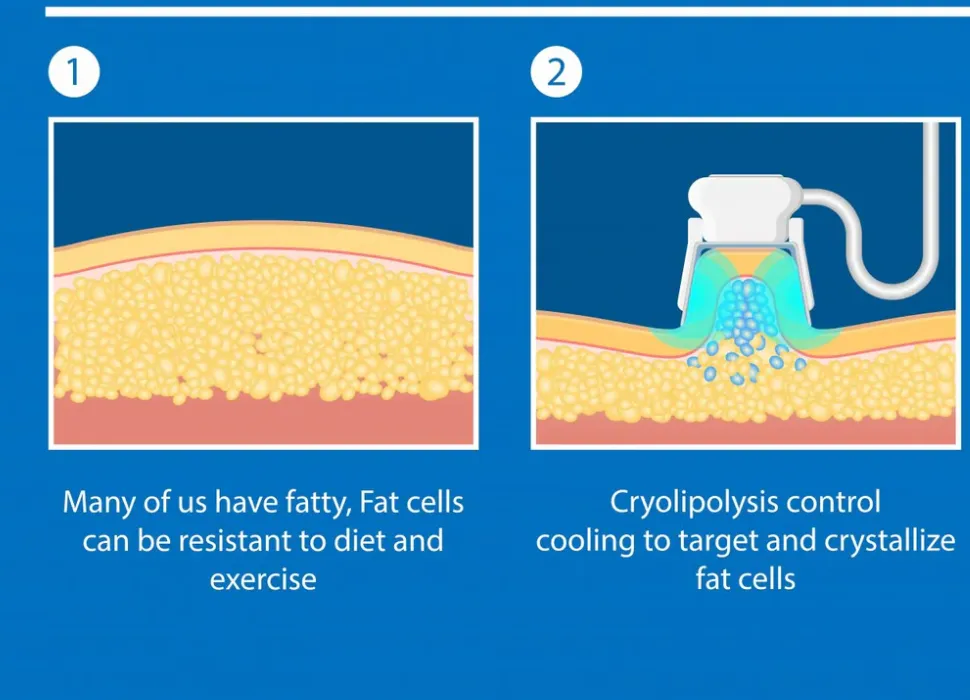
Fat cells are more sensitive to cold than surrounding tissues
Controlled cooling can damage fat cells
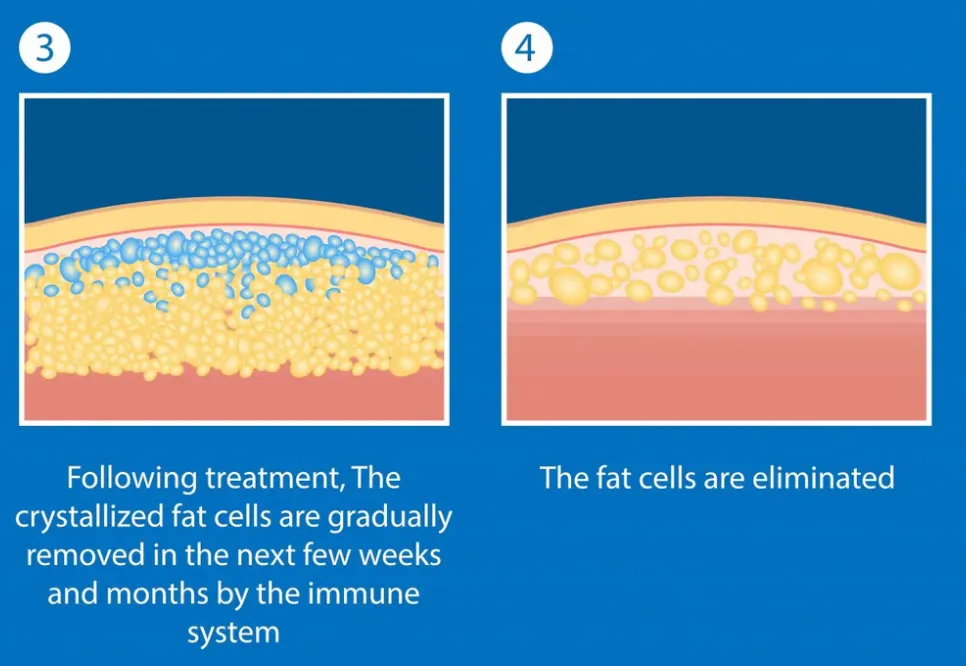
The body then gradually clears these damaged fat cells over time
Fat freezing is often referred to by brand names such as CoolSculpting, although these are proprietary systems based on the same underlying cryolipolysis technology.
How Does Fat Freezing Work?
To understand how fat freezing works, it helps to understand fat cell biology.
During a fat freezing treatment:
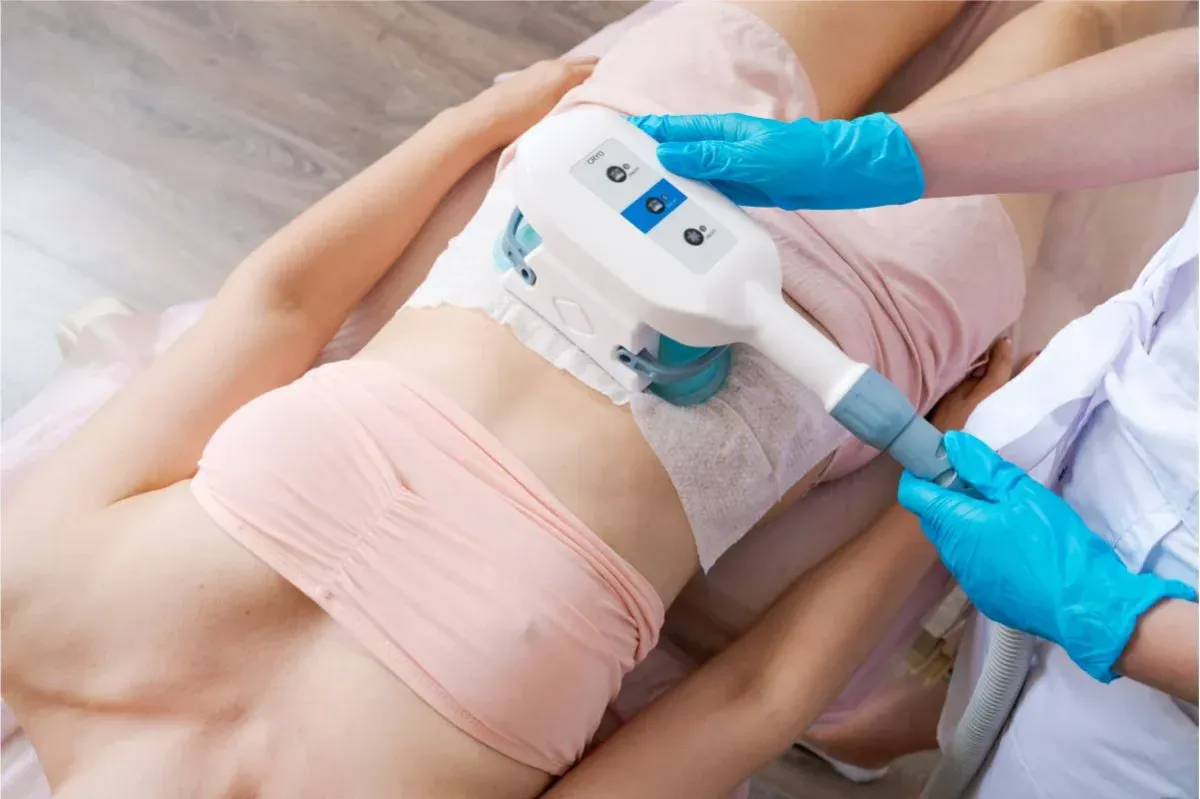
A device applies sustained cooling to a targeted area
Fat cells exposed to cold undergo a process called apoptosis (programmed cell injury)
Over several weeks to months, the body’s lymphatic system removes the affected fat cells
Importantly:
Fat freezing does not remove fat immediately
Results develop gradually
The process relies on the body’s natural clearance mechanisms
This is why fat freezing results vary significantly between individuals.
What Areas Is Fat Freezing Commonly Used For?
Fat freezing is typically marketed for localised fat pockets, not general weight loss.
Commonly advertised areas include:
Abdomen (often searched as freeze tummy fat or freeze stomach fat)
Flanks
Thighs
Upper arms
Back fat
It is not a treatment for obesity or overall weight reduction.
Fat Freezing vs Weight Loss
A common misconception is that fat freezing is a weight loss treatment.
It is not.
Fat freezing:
Does not treat metabolic weight gain
Does not address visceral fat
Does not replace lifestyle or medical weight management
Patients searching for fat freezing treatment or fat freezing therapy should understand that it is a body contouring option, not a weight loss solution.
Does Fat Freezing Actually Work?
One of the most common questions online is:
“Does fat freezing work?”
Clinical studies show that fat freezing can reduce the thickness of subcutaneous fat in selected patients. However:
Results are typically modest
Multiple sessions may be required
Outcomes are variable
Not all fat types respond equally
This is why expectations must be realistic and medically guided.
Fat Freezing Before and After: Why Results Vary
When patients search for fat freezing before and after, they often see dramatic marketing images.
In reality, results depend on:
Fat type and distribution
Skin quality and elasticity
Metabolic health
Lifestyle factors
Device quality and application technique
This variability is one of the reasons fat freezing is not suitable for everyone.
Is Fat Freezing Safe?
Fat freezing is generally considered safe when performed correctly, but it is not risk-free.
Reported risks and considerations include:
Temporary numbness or discomfort
Irregular fat reduction
Skin sensitivity changes
Rare complications such as paradoxical fat hyperplasia
A medical assessment is important before considering any body contouring treatment.
Who Is Fat Freezing Not Suitable For?
Fat freezing may not be appropriate for individuals who:
Have significant skin laxity
Have minimal subcutaneous fat
Expect dramatic fat loss
Have certain cold-sensitive medical conditions
This is why ethical practices emphasise patient selection over marketing.
Fat Freezing in Johannesburg and Other South African Cities
Search terms such as fat freezing Johannesburg, fat freezing Cape Town, fat freeze Durban, fat freeze Pretoria, fat freeze Polokwane, and fat freeze Port Elizabeth reflect high interest across South Africa.
Availability and standards vary widely between providers. Patients are encouraged to prioritise:
Proper medical assessment
Realistic outcome discussions
Evidence-based recommendations
Why Radiant Secrets Educates Rather Than Offers Fat Freezing
Radiant Secrets is a doctor-led aesthetic practice focused on evidence-based treatments and long-term health outcomes.
We believe that:
Not every popular treatment is appropriate for every patient
Some concerns are better addressed through medical evaluation rather than device-based solutions
Education is part of ethical aesthetic care
For this reason, Radiant Secrets prioritises research-supported, medically appropriate treatments aligned to individual patient needs.
Conclusion: Making an Informed Decision About Fat Freezing
Fat freezing (cryolipolysis) can reduce localised fat in selected patients, but it is not a universal solution.
Understanding:
What fat freezing is
How fat freezing works
Its limitations and risks
allows patients to make informed decisions rather than marketing-driven ones.
A medical consultation is always the safest starting point when considering any body contouring treatment.
FAQS
What is fat freezing?
Fat freezing, also called cryolipolysis, is a non-invasive body contouring method that uses controlled cooling to injure selected fat cells. Over time, the body clears these affected fat cells through natural metabolic processes. It is intended for localised fat pockets rather than overall weight loss.
How does fat freezing work?
Fat freezing works by applying sustained cooling to a targeted area using a device applicator. Fat cells are more sensitive to cold than surrounding tissues, so controlled exposure can trigger cellular injury. The body then gradually removes the affected fat cells over the following weeks to months.
Does fat freezing really work?
Research indicates cryolipolysis can reduce the thickness of subcutaneous fat in appropriately selected patients, but outcomes are typically modest and vary between individuals. Results depend on patient selection, the area treated, device quality, technique, and how the body clears injured fat cells.
Is fat freezing safe?
Fat freezing is generally considered safe when performed correctly, but it is not risk-free. Possible effects include temporary discomfort, numbness, uneven contour changes, and rarely paradoxical fat enlargement. A medical assessment helps determine suitability and risk.
Is fat freezing a weight loss treatment?
No. Fat freezing is not a weight loss treatment. It is designed to address localised subcutaneous fat pockets and does not treat metabolic weight gain or visceral fat. People seeking weight loss may need medical weight management, nutrition, and lifestyle support instead.
Who should not have fat freezing?
Fat freezing may not be appropriate for individuals with significant skin laxity, minimal subcutaneous fat, certain cold-sensitive medical conditions, or expectations of dramatic weight loss. Suitability should be confirmed through a medical consultation and risk assessment.
What Areas Does Radiant Secrets Serve?
Radiant Secrets is based in Johannesburg, serving patients from surrounding suburbs who are seeking doctor-led, evidence-based aesthetic treatments.
We commonly see patients from:
Sandton| Illovo |Rosebank |Hyde Park |Houghton |Parkhurst |Parktown |Melrose |Morningside |Bryanston |Dunkeld |Greenside |Bedfordview| Linksfield| Norwood| Craighall| Rivonia
Patients often travel to Radiant Secrets specifically for:
Medical skin assessments, Evidence-based microneedling, Doctor-led resurfacing treatments, Conservative, long-term skin health planning
COMPANY
LEGAL



© Copyright 2026. Radiant Secret. All Rights Reserved.