
Microneedling: A Doctor-Led, Evidence-Based Skin Regeneration Treatment
January 27, 2026
Written by
Dr Ovadia
Medical Aesthetic Doctor
Founder, Radiant Secrets
Dr Ovadia is a medical aesthetic doctor specialising in evidence-based skin treatments and long-term skin health.
Discover how doctor-led microneedling improves skin texture, scars, and ageing using evidence-based protocols and medical skin assessment
Introduction
Microneedling has become one of the most widely discussed skin treatments — yet it is also one of the most misunderstood.
In medical aesthetics, microneedling is not a cosmetic facial.
It is a controlled medical skin regeneration treatment that influences wound healing, collagen production, and barrier repair.
At Radiant Secrets, microneedling is performed using doctor-led, evidence-based protocols, following a professional skin assessment and clear treatment planning.
What Is Microneedling?
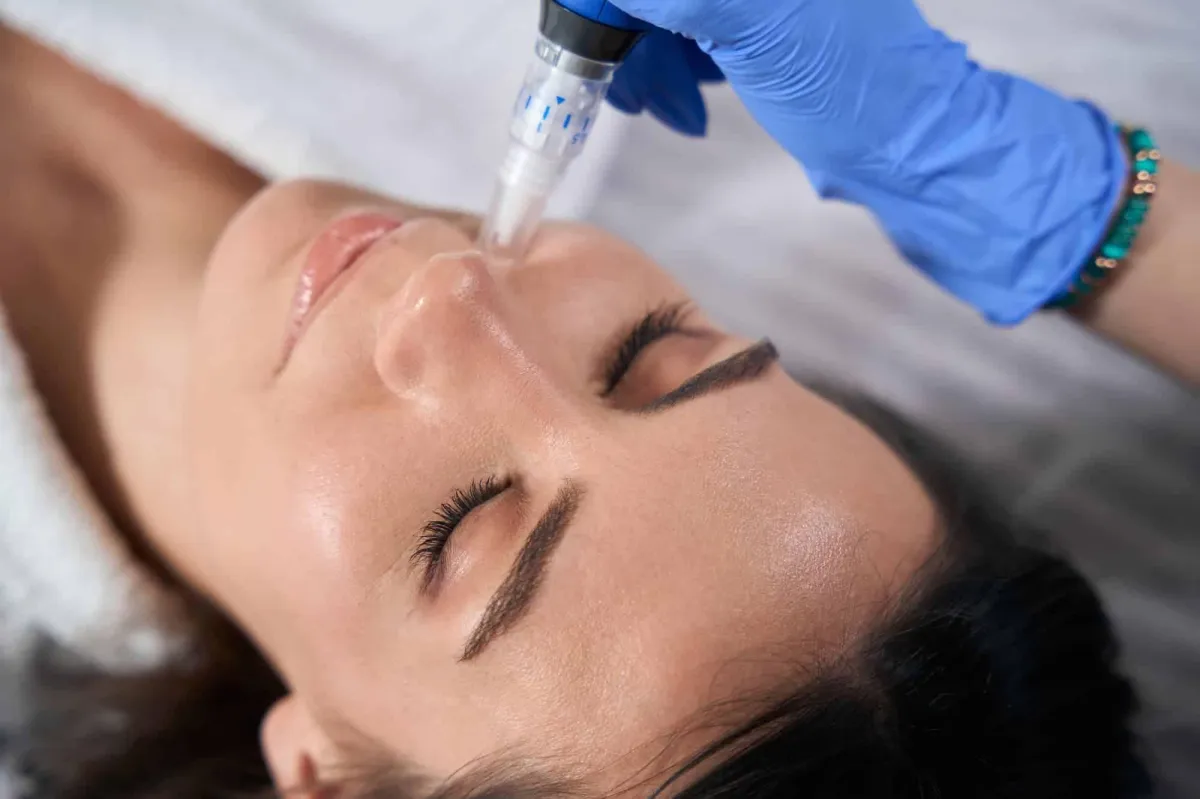
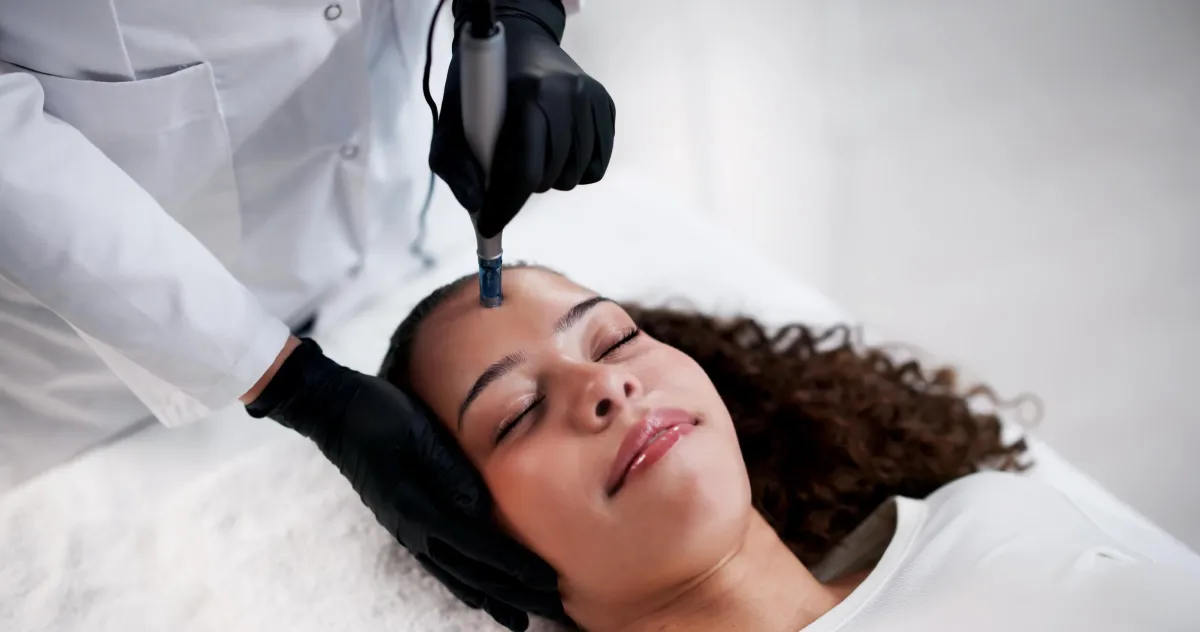
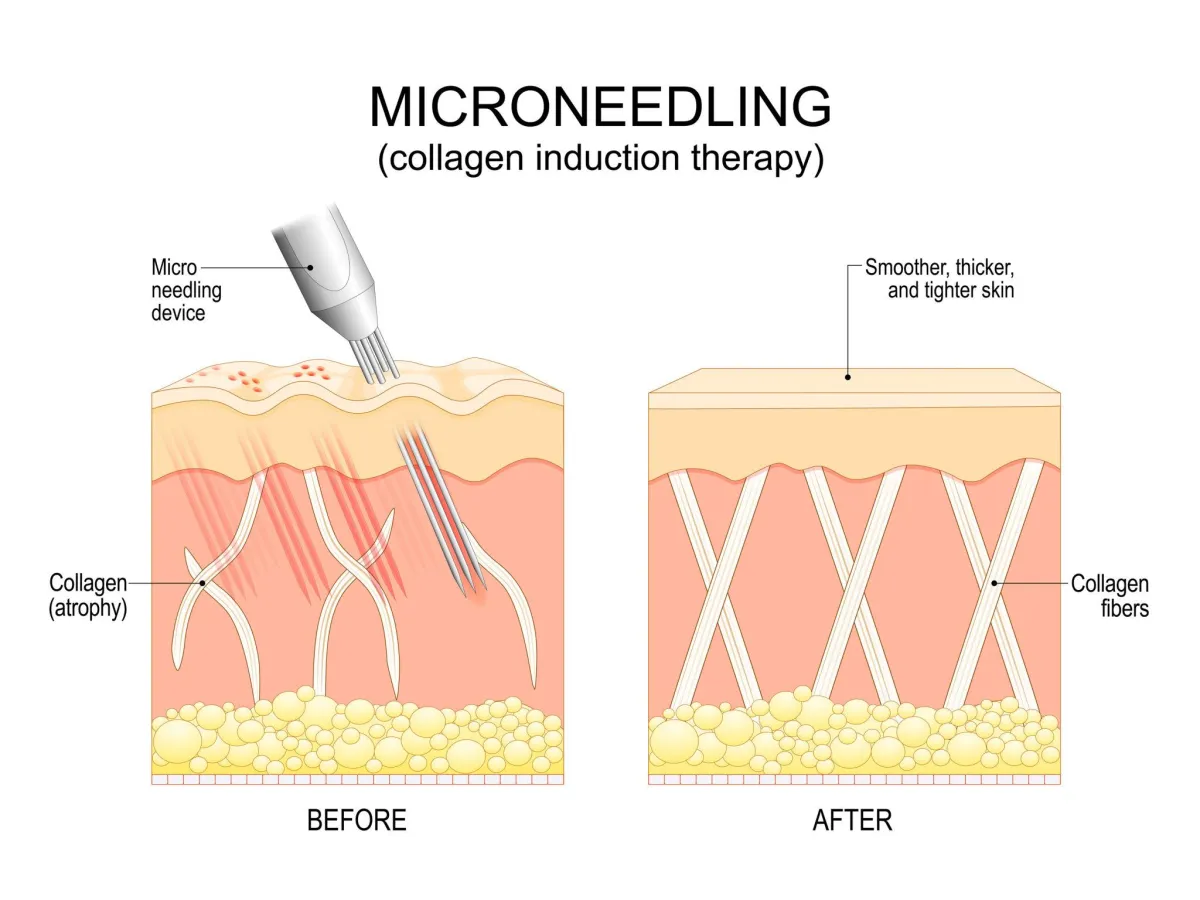
Microneedling is a procedure that uses sterile, medical-grade needles to create controlled micro-injuries in the skin.
These micro-injuries stimulate:
Collagen and elastin production
Skin renewal and repair
Improved skin texture and tone
The goal is biological regeneration, not surface exfoliation.
How Microneedling Works in the Skin
Microneedling works by activating the skin’s natural wound-healing cascade.
This includes:
Release of growth factors
Stimulation of fibroblasts
Increased collagen synthesis
Improved dermal structure over time
Depth, technique, and treatment intervals determine outcomes — which is why microneedling should be medically supervised.
Skin Concerns That May Benefit from Microneedling
When prescribed appropriately, microneedling may help improve:
Fine lines and early ageing
Acne scarring
Uneven skin texture
Enlarged pores
Loss of skin firmness
Post-inflammatory pigmentation
A medical skin assessment is essential to confirm suitability and safety.
Types of Microneedling Treatments
Not all microneedling treatments are the same.
In a doctor-led practice, microneedling is categorised by depth, device, and clinical purpose.
Superficial Microneedling
Focuses on skin texture and glow
Minimal downtime
Often used as part of a maintenance plan
Medical Microneedling
Targets deeper dermal layers
Used for scarring, ageing, and structural concerns
Requires careful planning and recovery support
Microneedling With Active Delivery
Allows controlled penetration of evidence-based actives
Must be performed under medical guidance
Requires strict sterility and protocol adherence
What to Expect During a Microneedling Treatment
A microneedling appointment at Radiant Secrets includes:
Medical skin assessment
Diagnosis vs cosmetic concern clarification
Selection of appropriate needle depth
Controlled treatment application
Post-treatment care planning
Redness and mild swelling are expected and form part of the normal healing response.
Is Microneedling Safe?
Microneedling is safe when performed correctly.
Risks increase when:
Devices are poorly regulated
Needle depth is inappropriate
Skin inflammation is ignored
Aftercare is inadequate
A doctor-led environment prioritises:
Skin barrier integrity
Infection prevention
Predictable healing outcomes
Who Is Suitable for Microneedling?
Suitability depends on:
Skin condition and diagnosis
Inflammatory activity
Healing capacity
Pigment risk
Previous treatments
Not all skin types benefit from microneedling at the same stage of their skin journey.
Why Doctor-Led Microneedling Matters
Microneedling alters biological skin processes.
In a doctor-led aesthetic practice:
Treatments are evidence-based
Protocols are conservative and staged
Devices and actives are medically selected
Long-term skin health is prioritised
This approach reduces complications and improves consistency.
Microneedling at Radiant Secrets
At Radiant Secrets:
Microneedling is prescribed, not routine
Only researched, medical-grade devices are used
Treatments are aligned with long-term skin health
Safety and outcomes guide every decision
The focus is not intensity — but appropriate stimulation.
Conclusion
Microneedling is a powerful regenerative treatment when used correctly.
Under medical guidance, it supports healthier skin structure, improved texture, and long-term skin resilience — not short-term cosmetic change.
FAQS
What is medical microneedling?
Medical microneedling is a controlled skin regeneration treatment performed using sterile, medical-grade devices under professional supervision.
Unlike cosmetic microneedling, it:
Uses prescribed needle depths
Is selected based on a medical skin assessment
Targets biological skin repair rather than surface exfoliation
The aim is to stimulate collagen production, improve skin structure, and support long-term skin health.
Is microneedling safe for sensitive skin?
Microneedling can be safe for sensitive skin, but only when sensitivity is correctly diagnosed.
Sensitive skin may be caused by:
A compromised skin barrier
Chronic inflammation
Rosacea-prone skin
Previous over-treatment
In a doctor-led practice, sensitivity is assessed first. In some cases, barrier repair is prioritised before microneedling is introduced.
How many microneedling sessions are needed?
The number of microneedling sessions depends on:
Skin diagnosis
Treatment depth
Skin response and healing capacity
Treatment goals
Most patients require a series of treatments, spaced appropriately to allow full skin recovery. Results are cumulative and improve with correct spacing rather than frequent treatments.
Does microneedling damage the skin barrier?
When performed incorrectly, microneedling can disrupt the skin barrier.
When performed correctly, it can:
Support controlled regeneration
Improve barrier resilience over time
Strengthen skin structure through regulated healing
Correct depth selection, spacing, and aftercare are essential to prevent barrier damage.
Who should not have microneedling?
Microneedling may not be appropriate for individuals with:
Active skin infections
Severe inflammatory skin conditions
Poor wound healing capacity
Certain pigment disorders
Compromised immune function
A medical consultation ensures microneedling is only performed when it is clinically appropriate and safe.
Doctor-Led Skin Consultation
What Areas Does Radiant Secrets Serve?
Radiant Secrets is based in Johannesburg, serving patients from surrounding suburbs who are seeking doctor-led, evidence-based aesthetic treatments.
We commonly see patients from:
Sandton| Illovo |Rosebank |Hyde Park |Houghton |Parkhurst |Parktown |Melrose |Morningside |Bryanston |Dunkeld |Greenside |Bedfordview| Linksfield| Norwood| Craighall| Rivonia
Patients often travel to Radiant Secrets specifically for:
Medical skin assessments, Evidence-based microneedling, Doctor-led resurfacing treatments, Conservative, long-term skin health planning
COMPANY
LEGAL



© Copyright 2026. Radiant Secret. All Rights Reserved.